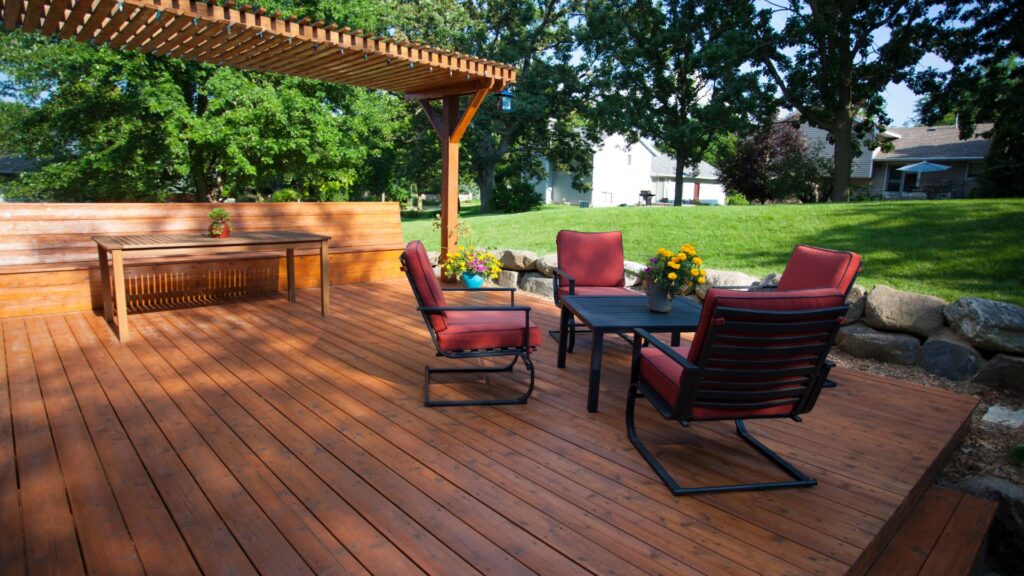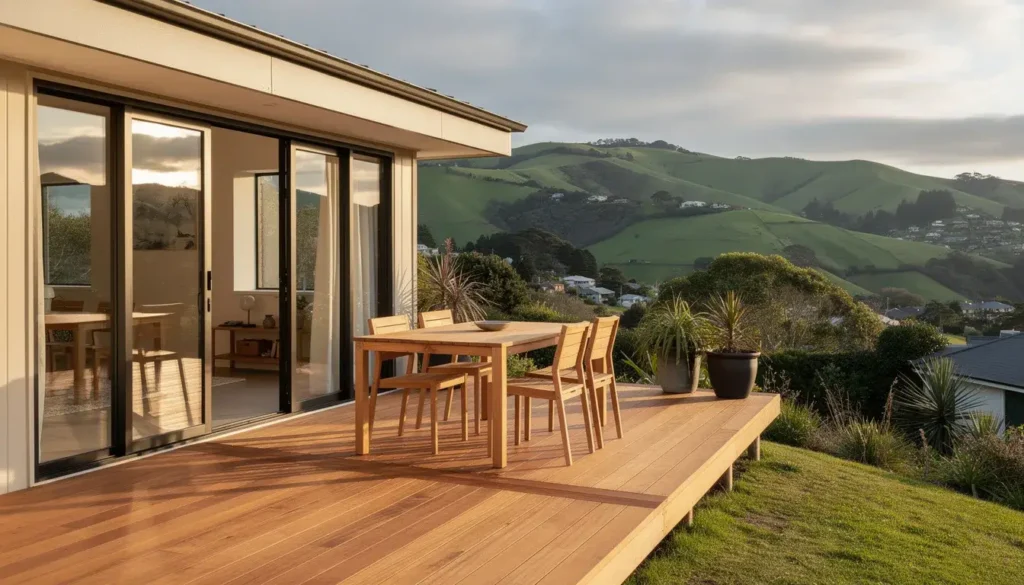
Building a deck is one of the most popular home improvement projects in Wellington. Whether you’re dreaming of a sunny outdoor space in Karori or a sheltered platform in Island Bay, the first question you need to answer is whether your deck project requires consent from the council. The answer depends on several factors, but the good news is that many simple decks can be built without going through a formal consent process.
Welcome to our comprehensive guide on building decks in Wellington! Here, you’ll find everything you need to know about whether you need consent to build your deck, how to navigate the consent process, and tips to ensure your project complies with local building regulations and the New Zealand Building Code. Let’s help you create the perfect outdoor space with confidence and peace of mind.
Table of Contents
Key Takeaways
- Most freestanding decks with a fall height under 1.5 metres generally do not need building consent under Schedule 1 of the Building Act 2004.
- Once the fall height reaches 1 metre or more, a safety barrier or balustrade is required under Building Code clause F4, even if no consent is needed.
- Decks over 1.5 metres high, attached to the main dwelling, or located in sensitive areas typically do require building consent from Wellington City Council.
- Separate resource consent may be needed for issues like proximity to boundaries, site coverage limits, heritage overlays, or flood-prone land.
- Even exempt decks must comply with the New Zealand Building Code and Wellington’s District Plan rules—ignorance is not a defence.
Do You Need Consent to Build a Deck in Wellington? (Short, Direct Answer)
Here’s the straightforward answer: it depends on your deck’s height and configuration. Under the Building Act 2004, Wellington City Council follows the same national rules as the rest of New Zealand, which means many residential decks can proceed without a formal building consent.
A simple, low, freestanding timber deck with a fall height under 1.5 metres normally does not need building consent. This covers most ground-level decks that sit relatively flat against the land, where even if the structure were to collapse, nobody could fall more than 1.5 metres.
However, any deck where the potential fall exceeds 1.5 metres anywhere along its edge will trigger the need for building consent in Wellington. This is crucial on sloping sections, which are common throughout the city.
Even when building consent is not required, owners must still ensure their proposed building work complies with the Building Code and Wellington’s District Plan rules. You cannot simply build whatever you like just because consent is not required.
If there is any doubt about whether your new deck needs consent, check directly with Wellington City Council before starting work. A quick enquiry can help you avoid enforcement action, fines, or complications when you eventually sell your property.
Understanding the 1.5 m Rule and Fall Height
The concept of “fall height” is central to determining whether your deck needs consent. It refers to the distance someone could fall from the deck surface to the ground below—not just at one convenient point, but at any edge of the structure.
For Wellington properties, this is particularly important. Many suburbs like Brooklyn, Karori, and Khandallah feature sloping sections where one side of a deck might be at ground level while the other side sits well above the land.
Under Schedule 1 Exemption 24 of the Building Act 2004, decks, platforms, bridges, and similar structures are exempt from building consent if it is not possible to fall more than 1.5 metres, even if the structure collapses. This exemption applies uniformly across New Zealand.
Here’s the critical detail: fall height is measured from the deck surface to the lowest ground level within 1.5 metres horizontally of the deck edge. If your section slopes away steeply, you may find that what looks like a low deck actually has a fall exceeding the threshold on one side.
If any part of the deck has a fall greater than 1.5 metres, the entire deck is treated as consent-required building work. There is no partial exemption.
On sloping sites, homeowners should engage a builder or designer to confirm the true fall height before making decisions about consent. A mistake here can be costly to fix later.
Safety Barriers, Balustrades and When They Are Required
Building Code clause F4 (Safety from Falling) creates obligations that apply regardless of whether your deck itself is consent-exempt. This is a common source of confusion for homeowners.
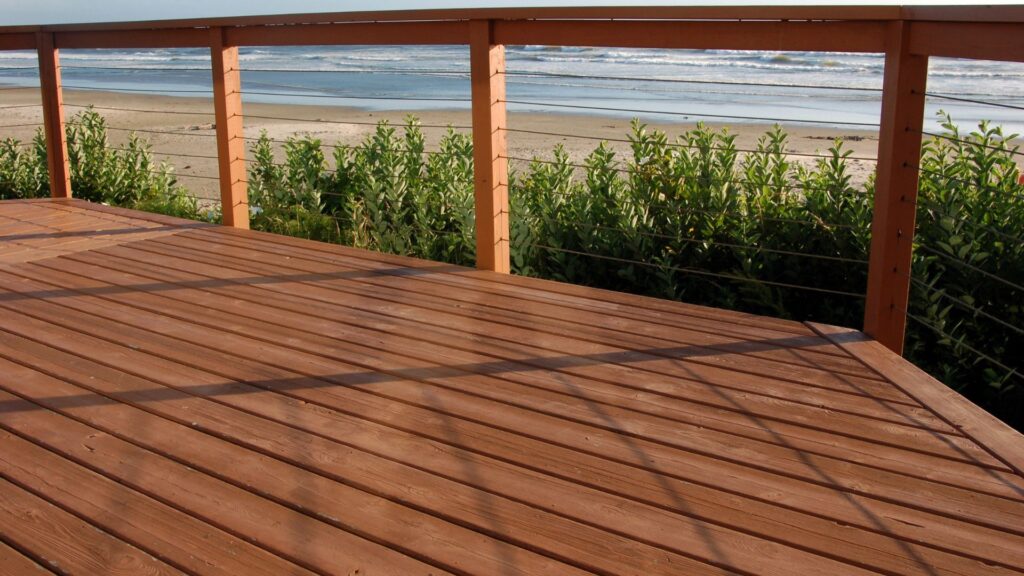
The rule is simple: if any edge of the deck has a fall of 1.0 metre or more, a suitable safety barrier or balustrade is mandatory. This requirement exists to protect people from falls, particularly children and elderly users.
Note that this 1.0-metre barrier threshold is different from the 1.5-metre height threshold for building consent. You can have a deck that does not require consent (because fall is under 1.5 metres) but still requires a compliant barrier (because fall exceeds 1.0 metre).
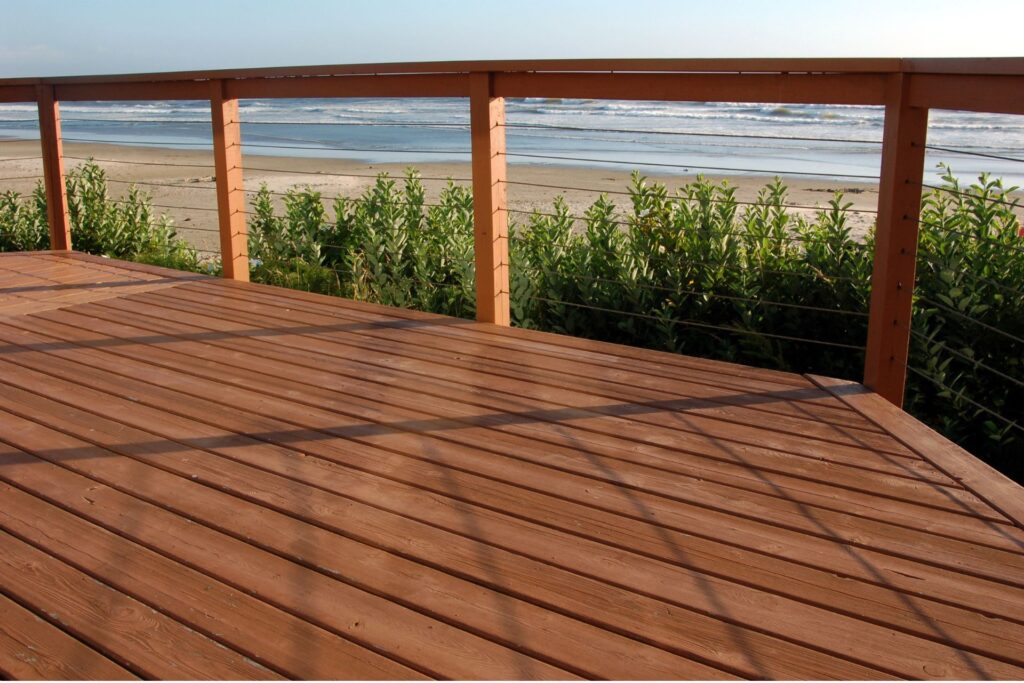
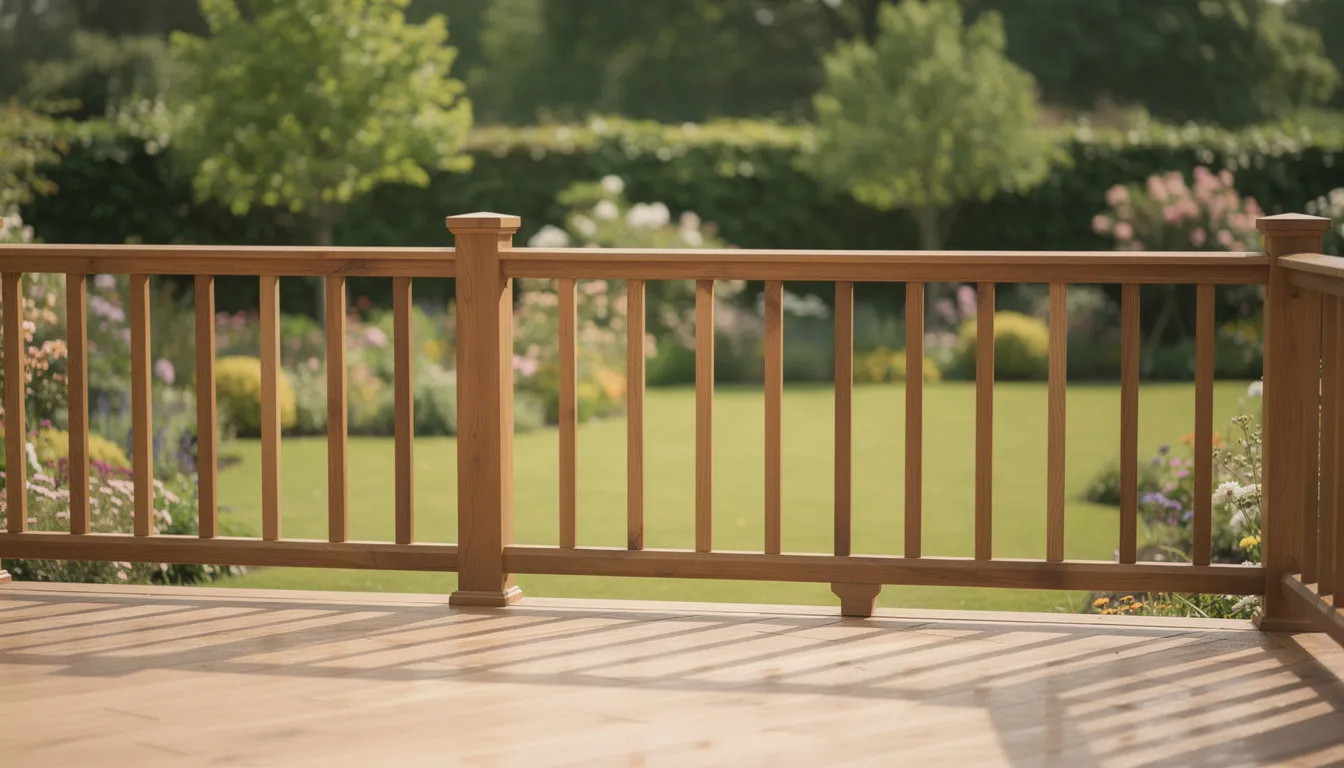
Typical residential balustrades must be at least 1.0 metre high and designed to prevent people from climbing over or falling through. The detail and construction must meet the performance requirements of the New Zealand Building Code.
Adding complex balustrades, privacy screens, or roofed structures can push a project out of the simple-exemption category and trigger consent. For example, a deck with an elaborate overhead pergola or enclosed walls may be treated as a different type of building work entirely.
When Building Consent Is Definitely Required for a Deck in Wellington
This section provides a clear checklist to help you quickly determine if your deck needs consent. If any of the following apply, you will likely need to submit a building consent application to Wellington City Council:
| Situation | Consent Required? |
|---|---|
| Fall height exceeds 1.5 metres at any point | Yes |
| Deck is attached to the main dwelling structure | Often yes |
| Multi-level or tiered deck design | Usually yes |
| Deck bears on or connects to a retaining wall | Yes (engineering input needed) |
| Deck forms part of an exit route or fire egress | Yes |
| Covered deck or outdoor room with roof/walls | Usually yes |
| Deck over infrastructure (stormwater, sewer, shared services) | Yes (specific council approval needed) |
Decks forming part of an exit route or fire egress path are subject to stricter requirements because they affect life safety in emergencies. Similarly, any deck built over drainage work, access chambers, or shared services typically requires approval to ensure future maintenance access is not compromised.
Failing to get the necessary consent for a qualifying deck can lead to serious consequences. These include infringement notices, fines under the Building Act, and future problems when selling your property. A non-consented deck will appear on a LIM report and can affect the sale process or insurance coverage.
Wellington-Specific Planning Rules and Possible Resource Consent
It is essential to understand the difference between building consent and resource consent. Building consent relates to the Building Act and whether your construction meets building standards for safety and durability. Resource consent relates to the District Plan and whether your project complies with planning rules about where and how you can build.
Even a consent-exempt deck under 1.5 metres may still breach District Plan rules, triggering the need for resource consent. Common issues include:
- Site coverage limits: Wellington residential zones typically cap site coverage at around 35%. A large deck can push you over this limit.
- Height in relation to boundary: Decks close to side or rear boundaries may affect neighbours’ access to daylight.
- Outdoor living space requirements: Some zones specify minimum areas that must remain unbuilt.
- Setback distances: Building too close to boundaries can trigger consent requirements.
Consider this example: a deck close to a side boundary in Newtown might technically be exempt from building consent but still require resource consent because it affects the neighbour’s daylight access plane. Similarly, a large deck on a small section in Wellington Central could exceed site coverage limits.
Overlays and sensitive areas add extra complexity. Properties in heritage areas, character precincts, coastal environments, or flood-prone land face additional rules that can affect even simple deck projects.
Before committing to a deck design, use Wellington City Council’s online property tools or speak to the planning team to check your zoning and any overlays that apply to your land.
Deck Exemptions Under the Building Act 2004
Schedule 1 of the Building Act 2004 lists types of low-risk building work that do not need building consent. These exemptions exist to reduce unnecessary bureaucracy for straightforward projects while still requiring compliance with the Building Code.
For decks and platforms, the relevant exemption (Exemption 24) works as follows:
- The structure must have a fall height of no more than 1.5 metres at any point
- The deck must not be over a public access way where collapse could injure people
- All conditions of the exemption must be fully met
If even one condition is not met, the exemption does not apply and consent is required for the entire project.
Wellington City Council, like other local councils, has discretion to grant additional exemptions in special cases. However, this must be applied for and confirmed in writing. You cannot simply assume an exemption applies.
Most importantly, homeowners remain responsible for ensuring that exempt work still meets the Building Code. The exemption only removes the requirement to obtain consent—it does not remove the requirement to build safely and to a proper standard. If exempt work creates hazards or legal issues, the homeowner bears responsibility.
Complex Sites and Situations Where Rules Get Tricky
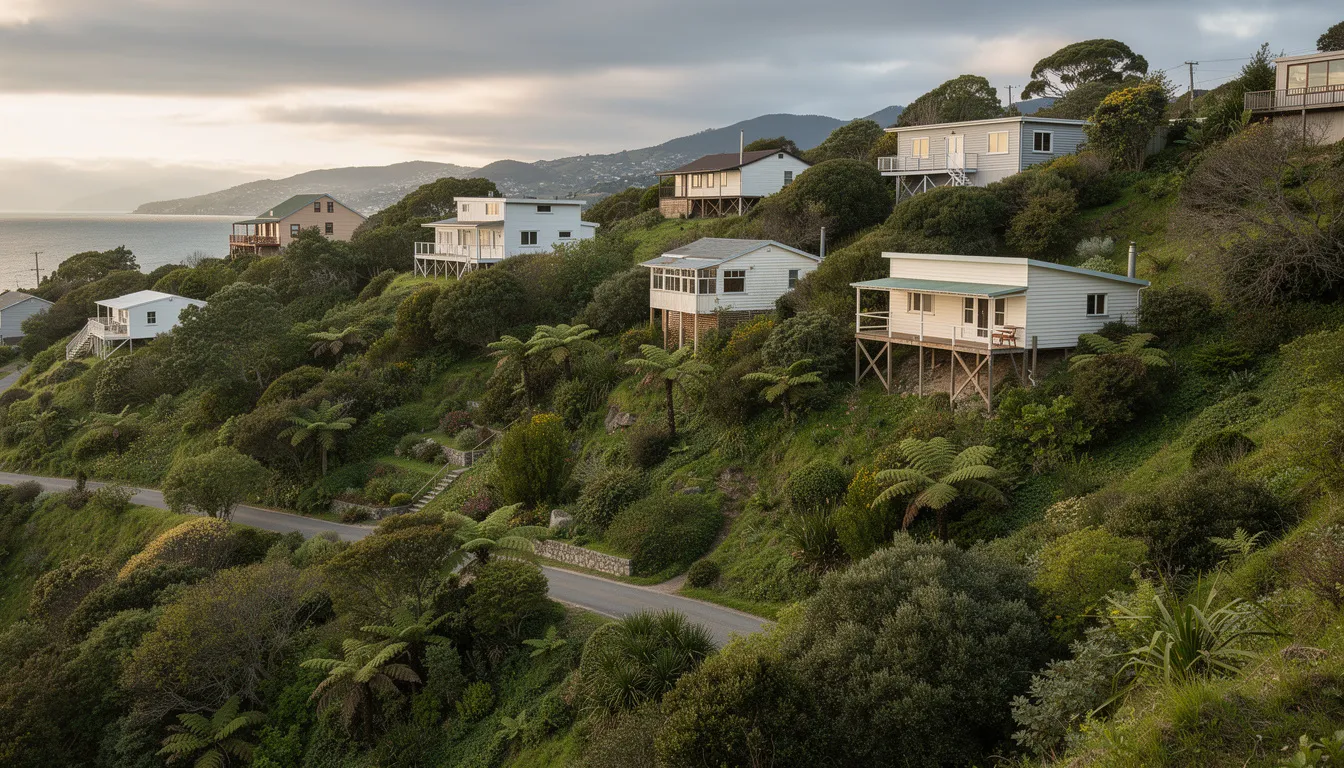
Wellington is famous for its challenging terrain. Many properties are steep, narrow, or exposed to significant wind and weather. These conditions complicate deck design and often affect consent requirements.
Sloping sites present the most common challenge. Parts of the deck may be under 1.5 metres fall while other sections exceed it due to the ground dropping away. In these situations, careful measurement is essential. If any portion exceeds the threshold, the whole project requires consent.
Decks near or on top of retaining walls are another area of complexity. These often need engineering input because the deck loads can affect wall stability. Such arrangements are more likely to require consent, and the retaining wall itself may have its own consent history that must be considered alongside your deck project.
Coastal and high-wind locations like Seatoun, Island Bay, and Mt Victoria face extra structural demands. NZS 3604:2011 sets out specific requirements for timber construction in different wind and earthquake zones. Wellington falls into earthquake zone 3 and experiences significant wind loads, meaning robust foundations and fixings are essential even for exempt decks.
Properties in floodplains, overland flow paths, or around utilities corridors may face extra constraints that are not immediately obvious. These situations require early council input before you proceed with construction.
Navigating the Building Consent Process for a Deck
If your deck does require consent, here is what the process involves in Wellington:
Step 1: Prepare documentation
You will need to prepare scale drawings, site plans, and structural details demonstrating that your project complies with the New Zealand Building Code. Key clauses include:
- B1 (Structure)
- B2 (Durability)
- F4 (Safety from Falling)
For complex decks, you may need producer statements from a structural engineer.
Step 2: Submit your application
Applications are submitted to Wellington City Council, usually via their online portal. You will need to pay the appropriate fees, which vary depending on the scope of work.
Step 3: Council assessment
The council will assess your application against the Building Code and may request further information (known as RFIs) if anything is unclear or missing. Response times vary but expect several weeks for a standard application.
Step 4: Receive building consent
Once approved, the council will issue a building consent with any conditions that apply. You can then proceed with construction.
Step 5: Inspections and certificate
Inspections during construction are typically required at key stages. Once the deck is built in accordance with the consent, the council will issue a Code Compliance Certificate confirming the work complies with the building consent.
Common Mistakes Wellington Homeowners Make With Deck Consent
Learning from others’ errors can save you significant time, money, and stress. Here are the most common mistakes:
Assuming “small” means “exempt”
Many homeowners assume that because their deck is modest in size, it automatically qualifies for exemption. Size is irrelevant—what matters is the fall height and whether the deck is attached to an existing structure. A small deck on a steep site can easily exceed the 1.5-metre threshold.
Ignoring planning rules
Even if your deck is exempt from building consent, you must still comply with District Plan rules. Building too close to neighbours, exceeding site coverage, or blocking daylight access planes can lead to complaints, enforcement action, and requirements to modify or remove your deck.
Poor documentation
When consent is required, submitting rough sketches instead of proper plans will delay your approval. Incomplete or low-quality documentation is one of the main reasons for RFIs and extended processing times.
Not considering future implications
A deck built without consent when one was required will appear on the property’s LIM report. This can complicate future sales, as buyers and their lawyers will identify the non-compliant work. Insurance claims may also be affected if the deck was not built in accordance with local building regulations.
Professional Help and When to Get Expert Advice
Engaging professionals early often saves time and money, particularly for more complex decks. While a simple low-level platform might be straightforward, many Wellington deck projects benefit from expert advice.
Consider involving a Licensed Building Practitioner, designer, or structural engineer when:
- The deck has a fall height approaching or exceeding 1.5 metres
- Your property is on a sloping site requiring careful height calculations
- The deck will connect to or bear on a retaining wall
- The property is in a coastal, high-wind, or seismic-sensitive location
- You are adding load-bearing structures like pergolas or roofs
Local professionals understand Wellington City Council processes, typical wind loads, and common pitfalls for residential decks. They can help you navigate specific requirements efficiently.
Even for consent-exempt decks, a brief initial consultation can confirm compliance with the Building Code and good construction practice. This provides peace of mind and protects your investment.
Experienced builders familiar with Wellington conditions can advise on foundations, fixings, and materials suited to the local environment. Always obtain written confirmation or expert advice rather than relying solely on informal opinions or generic online information.
Frequently Asked Questions
Does a low deck that is only 600 mm high need consent in Wellington?
A simple freestanding deck with a fall height of around 600 mm will usually be exempt from building consent under Schedule 1, as it is well under the 1.5-metre threshold. However, the deck still needs to be built safely and must not create drainage or site access problems.
You must also comply with Wellington’s District Plan rules regarding boundaries and site coverage. If the deck is very large or positioned close to a boundary, confirm District Plan compliance or check whether resource consent might be needed.
Can I extend an existing consented deck without getting a new consent?
Any extension that changes the size, structure, or fall height of an existing building may require a new or amended building consent. This is particularly true if the extension increases the fall height beyond 1.5 metres or adds significant load-bearing elements.
Small, low-level additions fully within the exemption rules might not need new consent, but this depends on the specifics of the existing structure and your site. Check your original consent documents and speak with Wellington City Council before starting extensions to an existing deck.
What happens if I build a high deck without consent in Wellington?
Building a deck that requires consent without obtaining one can have serious consequences. The council may issue notices to stop work, require retrospective consent applications, demand modifications, or even order removal of the structure.
Deliberate breaches can result in significant fines under the Building Act. Future buyers will see the non-compliant work on LIM reports, potentially affecting your ability to sell or obtain insurance. If you already have an unconsented deck that should have had consent, seek professional advice early to regularise the situation.
Do I need consent to put a pergola or roof over my existing deck?
Adding a roof, pergola, or other cover over a deck often changes the building’s envelope and is more likely to trigger building consent requirements. A roofed structure may also affect drainage, fire safety, and structural loads.
Some small, simple pergolas can be exempt under Schedule 1, but enclosed or partially enclosed structures usually require consent. Check both the Building Act exemptions and any District Plan rules about coverage and height before building a roofed deck area.
How can I check if my property is in a flood or hazard zone that affects deck consent?
Wellington City Council provides online maps and hazard information that you can access with your property address. These tools show flood zones, overland flow paths, coastal hazard areas, and land instability zones.
Properties in identified hazard areas may have extra design and consent requirements for decks. Getting early advice from both the council and a suitably qualified designer or engineer is essential if your property falls within any hazard overlay.
Before you pick up your tools or finalise your deck design, take the time to confirm whether your project needs consent. A quick conversation with Wellington City Council or a local professional can save months of headaches and ensure your new outdoor space is built right from the start.
Conclusion
Building a deck in Wellington can be a rewarding way to enhance your outdoor living space, but understanding whether you need consent is crucial to avoid costly penalties and legal issues. Generally, decks with a fall height under 1.5 metres that are freestanding and comply with the New Zealand Building Code do not require building consent. However, decks exceeding this height, attached to your home, or located in sensitive areas will likely need consent from Wellington City Council. Additionally, resource consent may be necessary if your project affects site coverage, boundaries, or local planning rules.
Always ensure your proposed building work complies with local building regulations and the District Plan. When in doubt, consult with Wellington City Council or seek professional advice from experienced builders or licensed practitioners. Engaging experts early in the process can help you navigate the consent requirements smoothly, ensuring your deck project is safe, compliant, and enjoyable for years to come.
By following the guidelines and obtaining the necessary permissions, you can confidently construct a beautiful, functional deck that enhances your property while meeting all legal and safety standards.